Why AI Citations Are the New Backlinks
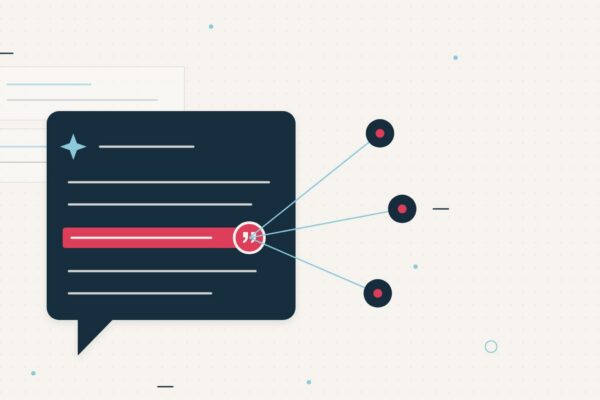
In traditional SEO, backlinks are votes of confidence. The more authoritative sites link to you, the higher you rank. In the AI search era, citations play a similar role — but the stakes are higher.
When Perplexity answers a question, it cites its sources. When Google’s AI Overviews summarize a topic, they reference specific pages. When ChatGPT browses the web, it pulls from pages it trusts. Being one of those cited sources means your brand gets visibility, credibility, and traffic from a channel that’s growing exponentially.
Here’s how to make your content citable by AI platforms.
How AI Platforms Choose What to Cite
Different AI platforms handle citations differently, but the underlying principles are the same:
- Perplexity — Searches the web in real-time and cites 5-10 sources per answer. Heavily favors pages that rank well in traditional search and provide clear, factual information.
- Google AI Overviews — Pulls from pages already indexed by Google. Favors content with strong E-E-A-T signals, structured data, and direct answers to the query.
- ChatGPT (with browsing) — Searches Bing and other sources when enabled. Cites pages that are authoritative, relevant, and easy to parse.
- Claude (with web access) — Uses search results to ground its answers. Favors well-structured, comprehensive content.
The common thread: AI platforms cite content that is authoritative, clearly structured, and directly answers the user’s question.
8 Strategies to Get Cited by AI
1. Write “Answer-First” Content
AI platforms extract the most relevant passage from your page. If your answer is buried under a 300-word introduction, the AI will find a competitor’s page that gets to the point faster.
The formula: Open every section with a clear, concise answer. Then expand with context, examples, and data. Think of it as the inverted pyramid — the most important information comes first.
Example:
Bad: “Many businesses today are looking for ways to improve their digital marketing efforts. In this post, we’ll explore some strategies that might help…”
Good: “GEO (Generative Engine Optimization) is the practice of optimizing your brand so AI platforms like ChatGPT and Perplexity recommend you in their answers.”
2. Use Data and Statistics
AI platforms love citing specific numbers. Original data, survey results, and verifiable statistics make your content more citable than generic advice.
What to do:
- Include specific metrics from your own work (e.g., “Our clients see a 3.2x average ROAS on Google Ads”)
- Reference industry statistics with clear attribution
- Publish original research or benchmarks in your niche
- Present data in formats AI can parse — clean tables, numbered lists, and clear labels
3. Implement Comprehensive Schema Markup
Structured data helps AI platforms understand your content’s context and credibility. The more structured data you provide, the easier it is for AI to extract and cite your information.
Priority schema types for AI citations:
- Organization — Who you are, what you do, where you operate
- FAQPage — Direct question-answer pairs that are highly citable
- HowTo — Step-by-step processes that AI can reference
- Article — Metadata about your content including author, date, and topic
- Product / Service — What you offer, pricing, and reviews
4. Build Topical Authority Through Content Clusters
AI platforms are more likely to cite brands they recognize as authorities in a specific topic. A single blog post on a topic is weak. A comprehensive hub of interlinked content on that topic signals deep expertise.
Structure:
- Create a pillar page that covers the broad topic comprehensively
- Build supporting pages that go deep on each subtopic
- Interlink them naturally so AI can follow the relationships
- Update regularly to signal freshness
5. Earn Mentions on Trusted Sources
AI platforms cross-reference multiple sources. If your brand is mentioned on authoritative industry sites, review platforms, and news outlets, the AI is more confident recommending you.
High-value citation sources:
- Industry-specific publications and blogs
- Review platforms (G2, Clutch, Capterra, Trustpilot)
- “Best of” and comparison articles in your niche
- Partnership and certification directories (Google Partner Directory, HubSpot Solutions Directory)
- Local business directories and chamber of commerce listings
6. Create Citable Assets
Some content formats are inherently more citable than others. Create assets that AI platforms and other content creators naturally want to reference.
High-citability formats:
- Definitions and glossaries — “What is X?” content that AI can directly quote
- Frameworks and methodologies — Proprietary approaches with clear names (e.g., “The DELTA Method”)
- Benchmark reports — Industry data that others cite in their own content
- Comparison tables — Clear, structured comparisons that AI can extract
- Checklists and templates — Actionable resources that earn links and mentions
7. Optimize for Featured Snippets (They Feed AI)
Google’s featured snippets are a primary data source for AI Overviews. Content that wins featured snippets has a higher chance of being cited in AI-generated answers.
What to do:
- Target question-based keywords with clear, concise answers
- Use ordered and unordered lists that Google can pull into snippet format
- Include tables for comparison queries
- Keep your answer paragraphs under 50 words for paragraph snippets
8. Add an llms.txt File
llms.txt is an emerging standard (similar to robots.txt) that tells AI crawlers how to interpret your website. While adoption is still early, adding one signals to AI platforms that your content is designed to be machine-readable.
What to include:
- A description of your organization
- Key pages and their purpose
- Your areas of expertise
- How AI platforms should categorize your content
Measuring AI Citation Success
Unlike traditional SEO where you can track rankings in a dashboard, measuring AI citations requires manual testing and monitoring:
- Create a prompt library — 30-50 questions your target customers might ask AI
- Test across platforms — ChatGPT, Perplexity, Google AI Overviews, Claude, Gemini
- Track monthly — Document which brands are cited, including yours
- Monitor referral traffic — Watch for traffic from
chatgpt.com,perplexity.ai, and similar sources in your analytics - Track brand mentions — Use tools to monitor when your brand is mentioned in AI-generated content
Start Building Your AI Citation Profile Today
AI citations are compounding — the more you’re cited, the more AI models trust you, and the more you get cited in the future. Brands that start building their citation profile now will have an insurmountable advantage over those who wait.
The playbook is clear: create authoritative, well-structured content. Get mentioned on trusted sources. Implement schema markup. And monitor your visibility across AI platforms.
Want to see how your brand performs in AI search? Book a free AI visibility audit with Deeploy, and we’ll show you exactly where you stand — and where the opportunities are.